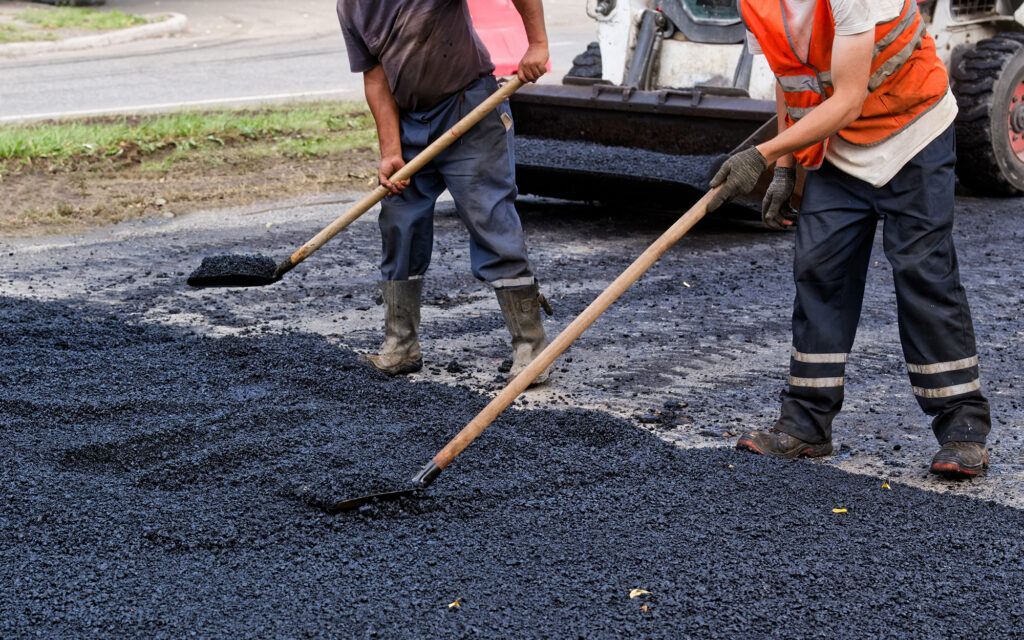
Grading, drainage design, subgrade preparation, and load planning all happen in the early weeks of a development project. By the time a paving contractor is typically brought in, the lot has been graded, utilities are routed, and the conditions that will govern pavement performance for decades have already been set. New construction asphalt paving done right starts at the planning stage. Developers who bring a paving partner in before the dirt moves get a surface engineered for the site; those who do not get a surface applied to whatever the site became.
Why Paving Decisions Start Before the Lot Is Graded
Commercial site paving on a new development project is a finishing step that reflects every decision made before it. What the surface looks like at project completion, and how long it holds up afterward, is shaped almost entirely by grading, drainage routing, and base choices made weeks or months earlier in the project timeline.
New construction asphalt paving on a site planned with a paving partner in the room produces fundamentally different results than the same surface laid on a site where those decisions were made without one.
How Grading Decisions Lock In Drainage Performance
Drainage is one of the most controllable variables in pavement lifespan, and it is shaped almost entirely by how the site is graded before any base material is placed. Water that pools on or adjacent to a paved surface saturates the base layer over time, softening the soil beneath it and creating the conditions for early structural failure. Proper slope across the entire paved area ensures water moves away from the surface consistently rather than collecting in low spots that worsen with every heavy rain.
Why Load Planning Cannot Be Retrofitted
The thickness of the base layer and the asphalt surface itself must be calculated based on the actual vehicle loads the site will carry from the day it opens. Getting this wrong at the design stage produces a pavement structure that degrades ahead of schedule under loads it was never built to carry, leading to early repairs. New construction asphalt paving specifications are not interchangeable across project types, and the right numbers can only be established when traffic and load planning are part of the early project conversation.
The Base Is the Investment, Not the Surface
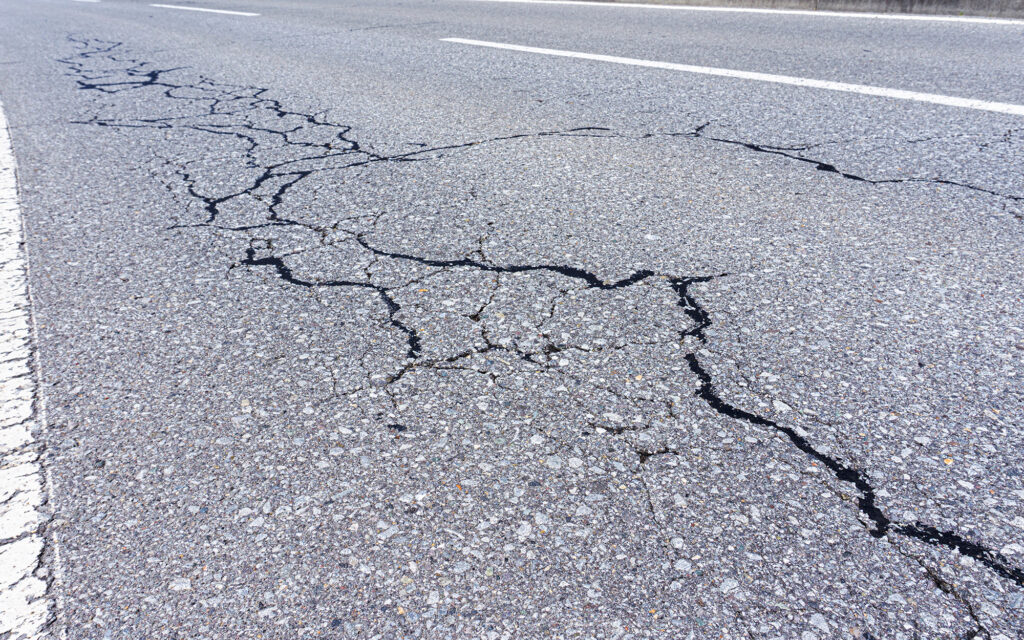
Grading and base for new construction are the two variables that most directly determine pavement lifespan, and both have to be correct before hot mix ever reaches the site. A well-specified base under a properly graded site can support new construction asphalt paving that performs for twenty-plus years. The same surface installed over an under-specified base will begin showing structural wear long before its service life should be exhausted.
What a proper base specification for new construction covers:
- Aggregate base depth matched to load requirements: The depth of compacted aggregate must reflect what the site will actually carry, not a default number pulled from a general specification sheet
- Subgrade preparation and compaction verification: Native soil has to be prepared and confirmed stable before base material goes down, especially on sites with clay-heavy profiles or recently disturbed ground
- Drainage integration: Base thickness and composition must account for how water will move through and off the site, connecting to the perimeter drainage plan so the two systems work together
- Geotextile fabric on variable or soft soils: On sites where subgrade conditions are inconsistent, fabric separation between the subgrade and base prevents material migration and preserves base integrity over time
- Material selection based on traffic type: Aggregate gradation and base depth vary significantly between light commercial, retail, and heavy-load applications, and the specification needs to match the actual project
Ace Paving’s new construction asphalt paving service covers the full scope from base specification and subgrade preparation through final compaction and striping, with a dedicated point of contact from the first site visit through project closeout.
What Metro Atlanta's Soil and Climate Add to the Calculation
Developer paving in Atlanta carries site-specific conditions that have to be factored into paving specifications from the start. Metro Atlanta’s dominant soil profile is heavy clay, which expands as it absorbs moisture and contracts as it dries, creating a cycle of ground movement beneath paved surfaces that compounds over time.
Sites that have been recently cleared, filled, or regraded carry additional risk of uneven settlement if the subgrade is not properly stabilized before aggregate base installation begins. On sites where base material is placed over clay without adequate subgrade preparation, the surface above will reflect that instability throughout its service life.
Asphalt for new development in Metro Atlanta also has to account for the region’s climate. Sustained summer heat that accelerates surface oxidation, and heavy seasonal rainfall that tests drainage design and base integrity every single year. These are the standard operating conditions for every lot paved in this market, and they are entirely predictable.
The heat and rainfall patterns Atlanta sees each year can be fully accounted for in a paving specification before the first course is laid, which is a significant advantage for developers who bring a paving partner in at the right stage. A surface engineered for this region’s actual conditions will outperform one built to generic national standards.
What to Establish Early About New Asphalt Parking Lot Construction
Bringing a paving contractor into a development project early requires a conversation about what the site will carry, how it will drain, and what the base will need to support the surface through its intended service life. A paving partner with new development experience can weigh surface material options before design is locked, flag drainage grading concerns before the lot is shaped, and deliver load-specific base specifications before material is ordered.
What that early conversation should cover:
- The intended use of the paved surface and the heaviest vehicles it will regularly handle. Different vehicles carry different load implications that affect base depth and surface thickness requirements. A conversation about expected traffic at the planning stage produces specifications matched to the actual project.
- The existing soil profile and any fill or regrading activity completed on the site. Clay content, fill depth, and how recently the subgrade was disturbed all determine how the ground needs to be prepared before base material goes down. Knowing this early prevents costly subgrade corrections after base has already been placed.
- Drainage routing and how the paved surface connects to the site’s broader drainage infrastructure. Pavement longevity depends on water moving off the surface and away from the base efficiently, and drainage performance is almost entirely determined by grading decisions made well before paving begins. Bringing paving input into drainage design ensures the two systems work together from the start.
- Project phasing, particularly if construction traffic will access portions of the site before the full surface is complete. Heavy equipment on prepared subgrades and newly placed base causes damage. Long-term pavement performance starts with protecting the installation, and phasing coordination is how that protection is built into the project from day one.
Bring Ace Paving Into Your Metro Atlanta Development Before Groundbreaking
Ace Paving & Maintenance has been delivering new construction asphalt paving for commercial developers across Metro Atlanta since 1997, and the projects that hold up longest are the ones where paving was part of the planning conversation before the dirt moved. Every project is managed by a single point of contact from the first site visit through completion, because that continuity is how pavement that is built right actually gets built right.