Overlay and resurfacing appear as line items that look interchangeable on paper until one of them fails two years early and the cost of correcting it lands on this year’s budget. The asphalt overlay vs resurfacing decision determines how many years the next investment actually buys, and it depends almost entirely on what condition the base layer is in when the scope gets approved.
What Each Option Actually Involves
Understanding the difference between overlay and resurfacing starts with recognizing that these are two different operations with different starting points, not two names for the same work. Both result in a refreshed surface layer, but they address different conditions and produce different outcomes depending on what the lot actually needs.
An overlay adds new material on top of the existing surface and requires that surface to be sound enough to support it. Resurfacing requires removing existing material first, which opens up the possibility of addressing what is happening beneath the surface before new asphalt goes down.
How an Asphalt Overlay Works
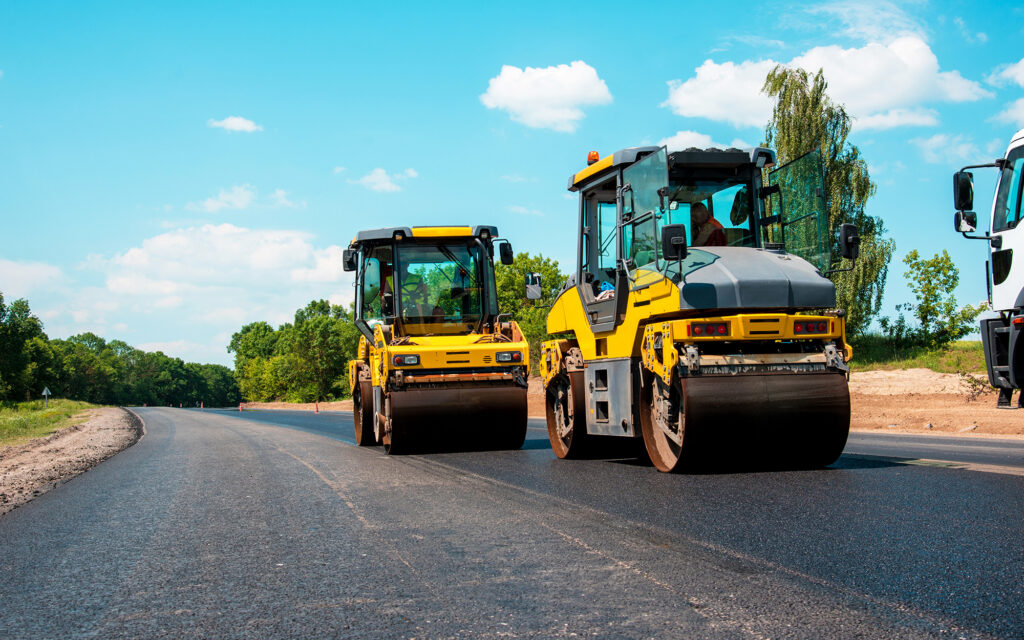
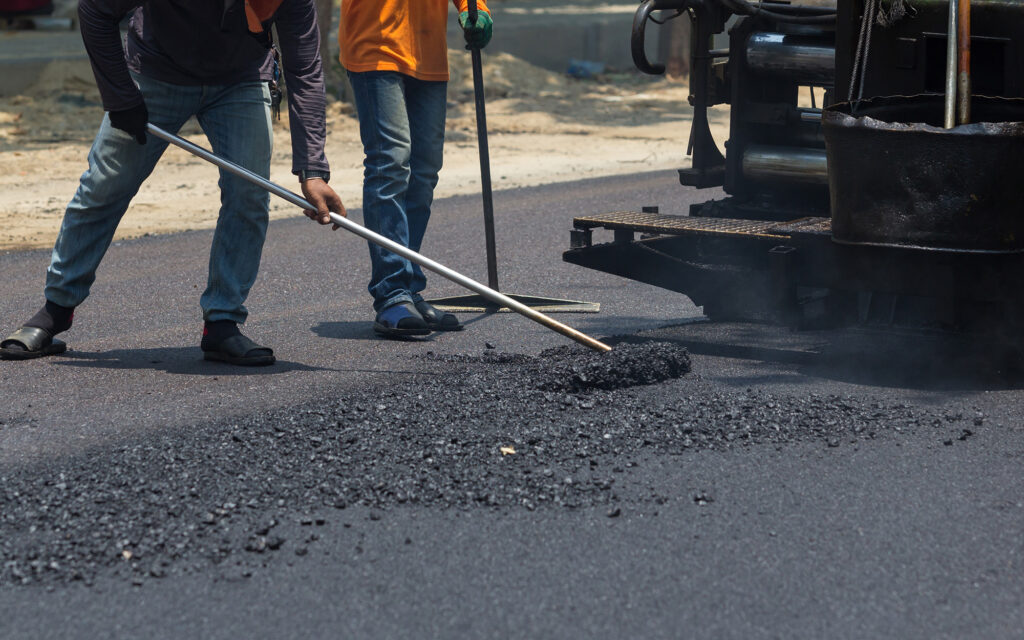
A commercial asphalt overlay involves placing one to two inches of fresh hot mix directly on top of the existing pavement, bonded with a tack coat that promotes adhesion between the old surface and the new layer. No existing material is removed, which makes the process faster, less disruptive, and significantly less expensive than a milling-and-repave approach.
For an asphalt overlay parking lot application to succeed over the full expected service window, the existing base must be structurally sound, drainage must be performing correctly, and the surface deterioration must be cosmetic rather than structural. When those conditions are met, an overlay is a legitimate, cost-effective option that restores a worn surface.
How Resurfacing Differs
Resurfacing begins below the surface. Before new asphalt is installed, a milling machine removes the top layer of existing pavement, exposing the base and providing a look at what is happening beneath the surface. This step allows the contractor to assess base conditions, adjust drainage grade, and correct structural issues before the new surface goes down.
A full milling and resurfacing scope takes longer and costs more than an overlay, but it produces a result built on a corrected foundation rather than on top of an existing one.
Which Scope Fits Your Lot
Knowing when to resurface a parking lot versus when to overlay it comes down to condition. The asphalt overlay vs resurfacing question has a different right answer on every property, and it depends on the age of the existing surface, the state of the base layer, how drainage performs after rain, and what the deterioration pattern looks like.
Your lot is likely an overlay candidate if:
- Surface wear is primarily cosmetic: oxidation, minor surface cracking, and faded striping without deep structural cracking
- The existing base layer is intact and shows no evidence of heaving, soft spots, or drainage failure
- Water drains correctly across the lot with no chronic pooling after moderate rainfall
- The pavement is between eight and fifteen years old with a history of minor, surface-level maintenance only
- Repairs to date have held without the same areas requiring repeated attention in short cycles
Your lot likely needs resurfacing if:
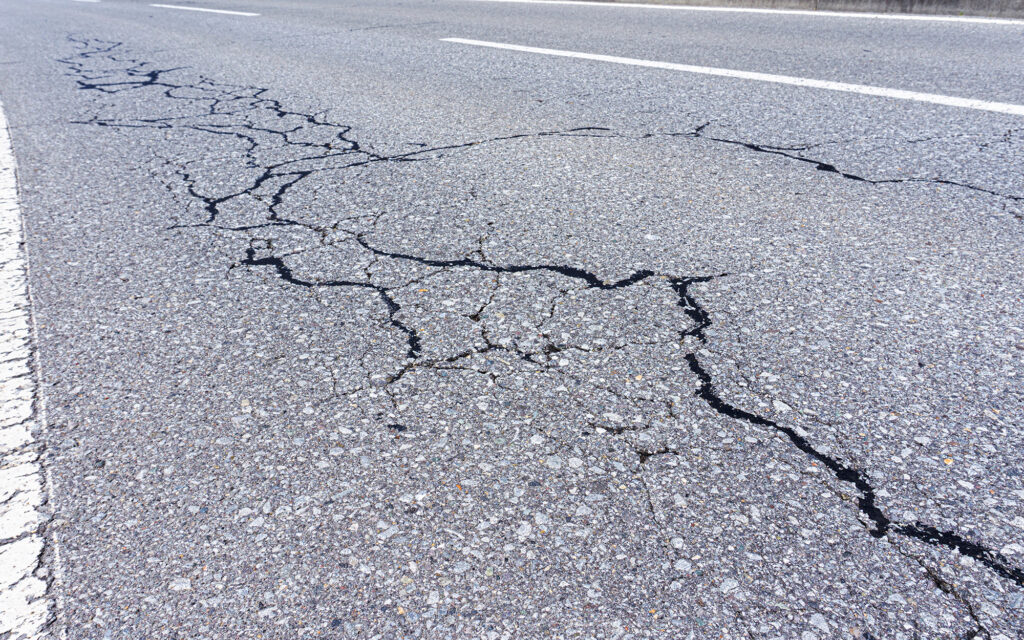
- Alligator cracking, deep rutting, or widespread edge failures are present, pointing to deterioration below the surface rather than on it
- Surface patches have been applied to the same areas more than once and keep failing
- Low spots collect standing water that has not cleared despite prior surface work
- The pavement is fifteen or more years old without a full milling and resurfacing cycle in its history
- A commercial parking lot condition assessment has flagged drainage or base concerns alongside the surface condition
Ace Paving’s milling and resurfacing service starts with a full on-site evaluation of the existing base so the scope we recommend is matched to what the lot actually requires. Read more about our solutions today, then reach out to our team.
What Each Option Buys in Added Service Life
Lifespan is where the asphalt overlay vs resurfacing comparison becomes concrete, and the numbers look very different depending on what the base condition was at the time of installation.
An overlay on a structurally sound base, properly installed and followed by routine maintenance, can extend useful pavement life by eight to twelve years. That same overlay applied to a lot with soft spots, drainage issues, or developing base failure often produces results closer to four to six years before underlying conditions work their way back to the surface.
The cost-per-year of service is almost always higher on a misapplied overlay than on a resurfacing job that corrected the root condition first.
Asphalt resurfacing lifespan on a properly prepared base typically runs fifteen to twenty-five years, depending on traffic volume, maintenance consistency, and the effects of Georgia’s heat and rainfall on the surface over time. Because resurfacing includes milling, the contractor gets a direct view of what the base looks like before any new material goes down, which is the single biggest variable in how long the finished lot holds up.
Property managers who weigh asphalt resurfacing costs against the service years each scope produces often find that resurfacing on the right schedule costs less per usable year than an overlay cycle that needs to be repeated sooner than expected.
Why the Wrong Scope Gets Approved So Often
Sorting through the full range of asphalt maintenance options takes time that buyers often do not have, and contractors who lead with price rather than condition analysis make it easy to approve a number without fully understanding what it covers. Asphalt overlay vs resurfacing requires a site-specific assessment that accounts for base condition, drainage performance, deterioration pattern, and property age.
Before signing a contract for either scope, ask these directly:
What is the condition of the base layer, and how did you determine that before recommending this scope?
A contractor who recommends an overlay without assessing the base is either guessing or prioritizing a lower number over a durable outcome. A specific, concrete answer here separates contractors who evaluate from those who estimate.
Can you point to the site conditions that drove your recommendation toward overlay versus resurfacing?
A credible contractor can walk a property manager through the specific observations that pushed the scope recommendation in one direction. Vague or general answers typically mean the recommendation was not driven by a real site evaluation.
If milling reveals worse base conditions than the surface suggested, how does that affect the scope and the cost?
Resurfacing scopes can expand when milling exposes what was not visible from the surface. Contractors who plan honestly for this possibility will raise it before the job starts. Those who do not either have not considered it or prefer not to mention it until equipment is already on site.
Schedule an On-Site Assessment and Get the Right Scope the First Time
Asphalt overlay vs resurfacing is a decision with real consequences for how long a property manager gets out of the next investment, and it deserves a site-level evaluation before any commitment is made. Ace Paving & Maintenance’s free on-site assessments cover base integrity, drainage performance, surface deterioration, and pavement age so the scope we recommend is one we can stand behind long after the job is closed.