Your parking lot is the first thing tenants, customers, and prospective buyers see—and the surface you choose shapes your budget for the next two to three decades. For Metro Atlanta property managers and owners weighing asphalt vs. concrete for a commercial parking lot, the right answer depends on how your lot gets used, what your traffic looks like, and how Georgia’s climate works on each material. Here’s how the two stack up.
The short answer
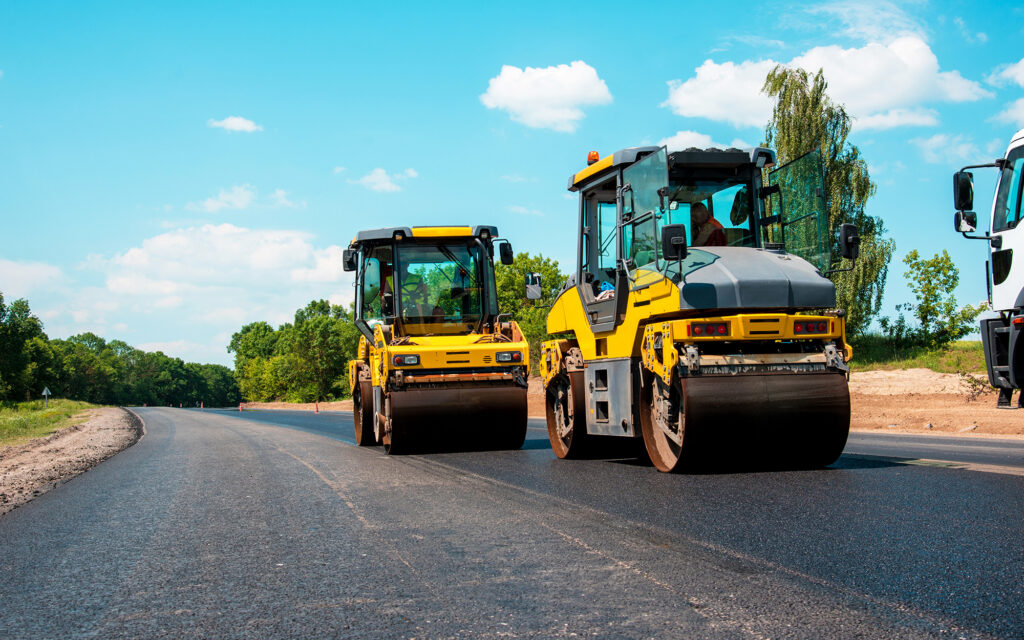
For the driving and parking surface of most Atlanta commercial lots, asphalt is usually the smarter call—it costs less to install, goes down fast, and is easy to repair. Concrete earns its place in specific, high-stress spots: dumpster pads, loading zones, and approaches that take constant point loads. The best lots often use both, each where it performs best.
Upfront and long-term cost
Cost is where the two materials separate most clearly. Asphalt typically runs about $2 to $4.50 per square foot, while concrete lands closer to $4 to $7 per square foot. On a large commercial lot, that gap adds up fast.
But install price isn’t the whole story. Concrete asks for less day-to-day upkeep, while asphalt trades a lower starting price for a maintenance rhythm you’ll need to budget for. In the Atlanta market specifically, expect site factors—grading, drainage, and base condition—to swing the number more than the material alone, since local paving generally falls in the $5 to $10 per square foot range, with heat and humidity both affecting how the surface holds up. If you’re scoping a new lot or a tear-out and replace, our commercial parking lot paving and repair team can pin down a real number for your site.
Lifespan and durability
Concrete wins the longevity contest on paper—a well-built concrete lot can last 30 to 40 years, versus a typical asphalt lifespan in the 20-year range. Concrete’s rigidity also spreads heavy loads across a wider base, which is why it shines under trucks, trailers, and stationary equipment.
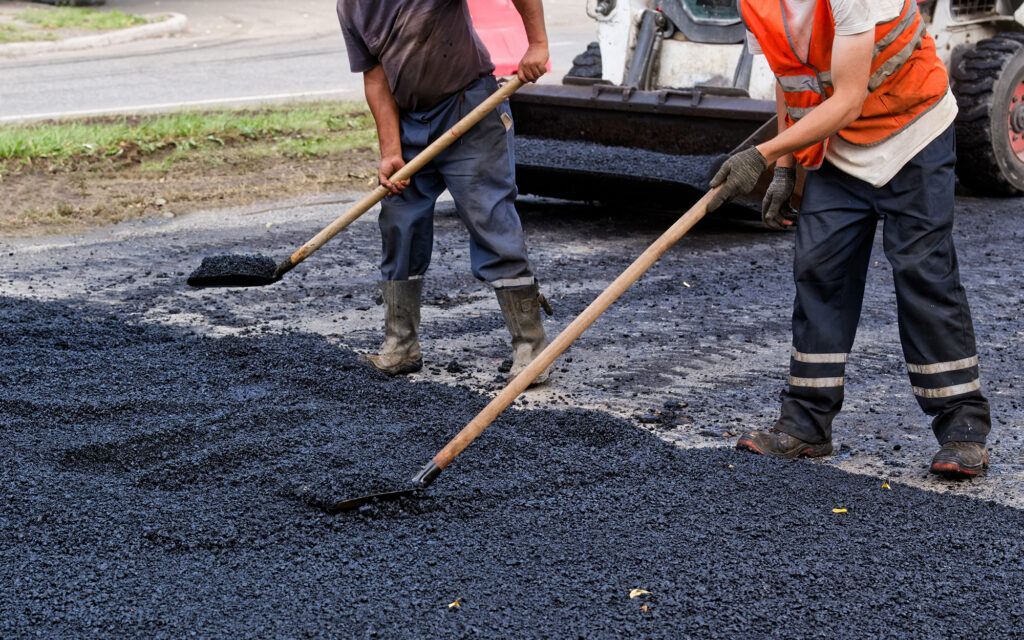
Asphalt’s advantage is flexibility and repairability. It flexes with temperature swings instead of cracking, and when a section does fail, it’s patched or resurfaced in sections rather than torn out whole. For a lot carrying normal car and light-truck traffic, that means a long, cost-effective service life without the upfront premium.
How each holds up in Atlanta's climate
This is where the decision gets local. Atlanta summers are long, hot, and humid, and the two materials respond very differently. Concrete’s lighter color reflects sunlight and tends to stay cooler, while asphalt can soften under sustained extreme heat. Concrete’s reflectivity is a genuine plus in high-sun, high-heat applications.
That said, Atlanta’s freeze-thaw swings are mild compared to northern markets, which removes one of concrete’s biggest vulnerabilities elsewhere and keeps quality asphalt performing well year-round. For the typical Metro Atlanta commercial lot, properly installed asphalt with good drainage and a solid base handles our climate without issue—the heat concern shows up most in lots with heavy, slow, or stationary loads.
Still deciding which surface your property needs?
You don’t have to guess. Ace Paving & Maintenance has paved and maintained commercial lots across Metro Atlanta since 1997, and we’ll walk your site, assess your traffic and drainage, and recommend the right material before you spend a dollar. Get a clear, no-obligation plan built around how your property actually gets used—not a one-size-fits-all quote.
Maintenance: what each surface asks of you
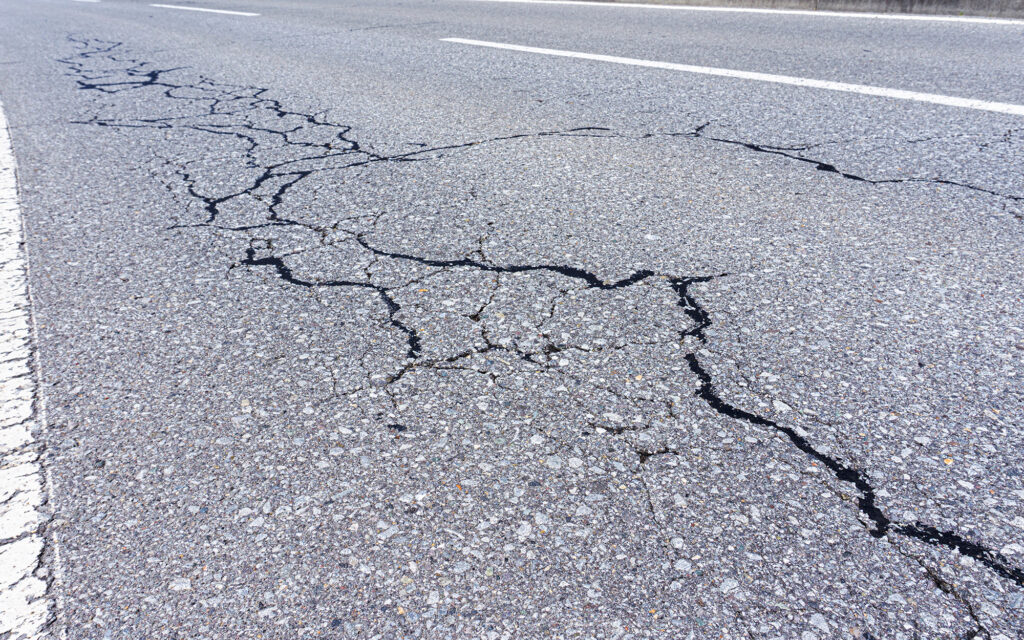
The materials diverge again once the lot is in service. Concrete is largely “install and maintain the joints.” Asphalt rewards a proactive plan: sealcoating every three to five years protects the surface from weather and traffic and keeps it from drying out and cracking. Stay ahead of it and an asphalt lot delivers decades of service; skip it and small cracks turn into potholes and base failure. Routine sealcoating and crack sealing is the single highest-return line item in any asphalt budget.
Where concrete still wins on a commercial property
Even on an asphalt lot, concrete is the right material in targeted spots. Dumpster pads take crushing, repeated point loads from heavy trucks and compactors. Loading zones and drive approaches see slow, concentrated weight that softens asphalt over time. And ADA-compliant paths of travel call for the precise, durable finish concrete provides. That’s why most well-engineered commercial lots are a hybrid—asphalt for the field, concrete for curbing, dumpster pads, and ADA approaches.
Common questions about asphalt vs. concrete parking lots
Is asphalt or concrete better for a commercial parking lot? For the main driving and parking surface, asphalt is the better value for most Atlanta properties. Concrete is the better choice for dumpster pads, loading areas, and heavy-load zones.
How long does an asphalt parking lot last compared to concrete? Asphalt typically lasts around 20 years with regular maintenance; concrete can reach 30 to 40. Asphalt’s lower install cost and easier repairs often close that gap on total cost of ownership.
How much does it cost to pave a commercial parking lot in Atlanta? It depends on size, base condition, and drainage, but asphalt generally costs less per square foot than concrete. An on-site assessment is the only way to get an accurate figure.
Which holds up better in Georgia heat? Concrete reflects more heat and stays cooler, while asphalt can soften under sustained extreme heat—most relevant in lots with heavy or stationary loads. For standard traffic, quality asphalt performs reliably across Atlanta’s climate.
How often does a commercial asphalt lot need sealcoating? Every three to five years, depending on traffic and sun exposure. It’s the most cost-effective way to extend the life of the surface.
Choosing between asphalt and concrete comes down to your traffic, your timeline, and your budget—and a contractor who’ll tell you the truth about all three. Ace Paving & Maintenance has been Metro Atlanta’s commercial paving partner for nearly 30 years, ready to help you get it right the first time.