A cracked, faded parking lot does more than look rough. It signals deferred maintenance to every tenant, customer, and inspector who pulls in. If your lot has reached that point, the first question is usually about budget: what does commercial parking lot resurfacing cost, and is it worth it before the damage gets worse? This guide breaks down typical resurfacing pricing for commercial properties in Georgia, the factors that move your number up or down, and how to tell whether your lot needs a resurface or a full rebuild.
What Commercial Parking Lot Resurfacing Costs in Georgia
For most commercial properties, parking lot resurfacing runs about $1 to $3 per square foot, compared to $4 to $10 per square foot for a full replacement. On a standard 10,000 square foot lot, that puts a complete resurfacing somewhere in the range of $10,000 to $30,000. Those figures are industry ranges, not a fixed quote. Your actual asphalt resurfacing cost depends on the condition of the existing pavement, the resurfacing method, and site specifics that only an on-site look can confirm.
What Affects Your Resurfacing Cost the Most
Two lots of the same size can carry very different price tags. Square footage sets the baseline, but larger lots usually cost less per square foot because crews can work more efficiently at scale. Pavement condition is the next big lever: a surface with isolated cracking costs far less to prepare than one with widespread potholes or base failure. Beyond that, your final number is shaped by access, traffic control, mix type, drainage fixes, and whether any work has to happen at night, along with ADA upgrades and fresh line striping.
Overlay vs. Mill-and-Overlay: The Choice That Drives Long-Term Cost
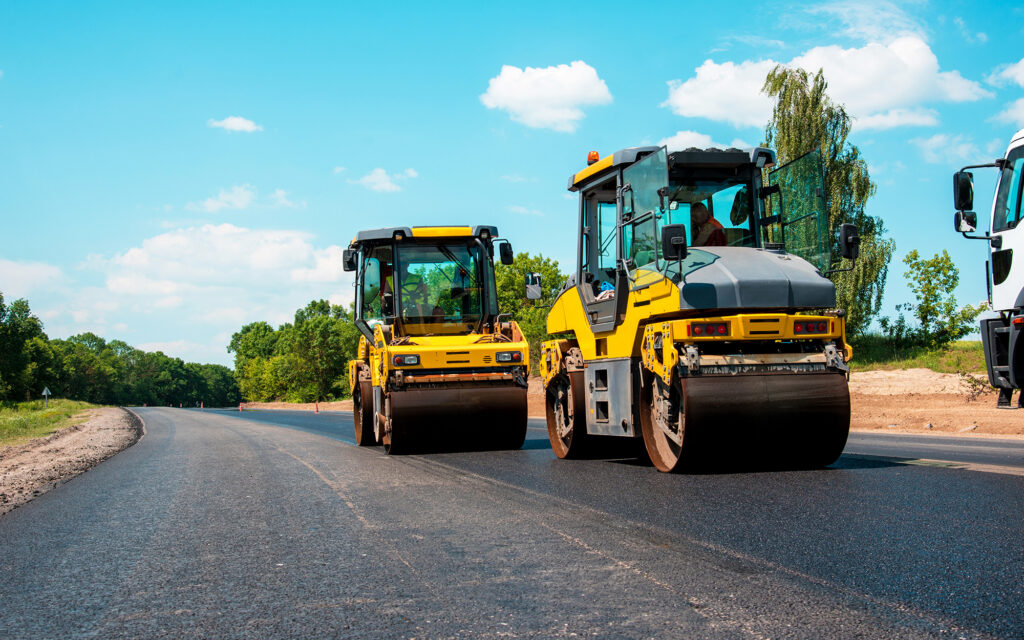
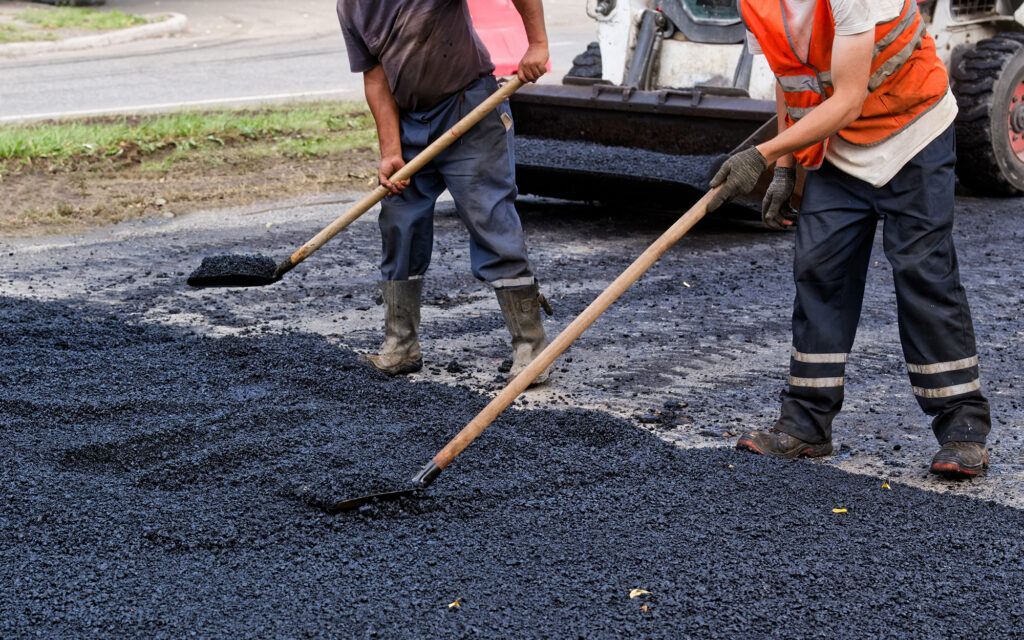
Resurfacing is not one single service. A standard asphalt overlay lays 1.5 to 2 inches of new asphalt directly over the existing surface and costs less upfront, which makes it attractive on a tight budget. Milling and resurfacing removes the deteriorated top layer first, then repaves, which preserves drainage slope and keeps curbs, catch basins, and ADA transitions working correctly. For commercial and high-traffic lots, mill-and-overlay is usually the better long-term investment, because stacking overlay on overlay eventually forces a full reconstruction.
Resurfacing vs. Repaving: Which Does Your Lot Need?
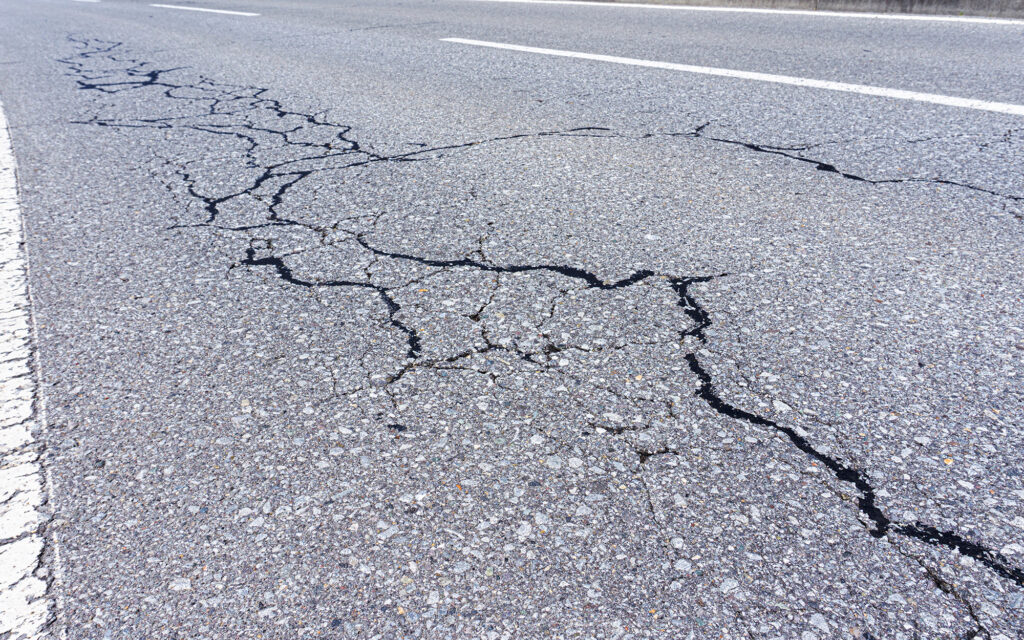
Resurfacing only works when the foundation underneath is still sound. It is the right call for lots under about 20 years old with less than 30 percent surface damage and a stable base, and it can add 8 to 15 years of life. Once cracking is widespread, the base is failing, or water is pooling because the slope is gone, a full parking lot repaving becomes the smarter spend. If you are not sure which camp your lot falls into, that is exactly what a professional commercial asphalt resurfacing assessment is for.
Your parking lot is the first thing customers and tenants see, and waiting only makes the repair more expensive. Ace Paving & Maintenance has resurfaced commercial lots across Metro Atlanta since 1997, and we will tell you honestly whether yours needs a resurface or a rebuild. Get a no-obligation, on-site assessment built around your property, your traffic, and your budget.
Why Timing Matters for Georgia Parking Lots
In Georgia, weather works in your favor more often than not, but timing still affects both cost and quality. Asphalt cures best in warm, dry conditions, so spring through early fall is prime resurfacing season, and scheduling ahead helps you avoid the late-season rush. Smart timing also protects what you have already paid for. Pairing resurfacing with routine sealcoating every couple of years shields the new surface from sun, water, and oxidation, which pushes your next major resurfacing further down the road.
How to Get an Accurate Resurfacing Estimate
No honest contractor can give you a firm price without seeing the lot. An accurate estimate starts with an on-site assessment, where the contractor measures the area, checks the base and drainage, and recommends the right method for your traffic and budget. Working with a local commercial paving team also means they understand the property types and conditions common across Metro Atlanta. The result is a quote built around your lot, not a generic per-square-foot guess.
Commercial parking lot resurfacing is one of the highest-return investments a property owner can make, often costing a fraction of full replacement while adding more than a decade of life. The right number for your property comes down to its size, condition, and the method that fits it best. If your Georgia lot is showing its age, the next step is simple: get a clear, on-site estimate from a commercial paving team that works in your area and stands behind the result.
Frequently Asked Questions About Parking Lot Resurfacing Cost
How long does a resurfaced parking lot last?
A properly resurfaced commercial lot typically lasts 8 to 15 years before it needs major work again. Lifespan depends on traffic volume, the quality of the base underneath, and how well the surface is maintained with sealcoating and crack repair.
How often should a commercial parking lot be resurfaced?
Most commercial lots need resurfacing every 12 to 20 years, with sealcoating every two to three years in between. Staying on that maintenance schedule and addressing cracks early can stretch the interval and delay the larger expense.
How long does resurfacing take, and will it disrupt my business?
Most commercial resurfacing projects take one to three days, with traffic restored within 24 to 48 hours. Scheduling in phases or during off-hours keeps disruption to tenants and customers to a minimum.
Will resurfacing fix potholes and cracks?
Resurfacing covers surface-level cracking and minor damage well, and milling first can address deeper deterioration. If potholes are caused by a failing base underneath, those areas need base repair or replacement before any new surface will hold.