Most commercial parking lots don’t fail overnight. They deteriorate slowly — a little fading here, a few cracks there — until one day the surface looks neglected and the repair bill is far bigger than it needed to be. Sealcoating is the single most cost-effective step in any parking lot maintenance plan, but timing it right is what separates a protected surface from one that’s just going through the motions. If you manage a commercial property in Atlanta, here’s what you need to know about how often to sealcoat and what affects that schedule.
Why Sealcoating Frequency Matters for Atlanta Parking Lots
Atlanta’s climate puts asphalt under constant stress. The combination of intense summer heat, heavy UV exposure, high humidity, and occasional winter freeze/thaw cycles accelerates asphalt oxidation faster than what you’d see in cooler, drier climates. Over time, that oxidation breaks down the binder that holds asphalt together, causing the surface to dry out, crack, and crumble.
Sealcoating creates a protective layer that slows that process significantly. It shields the surface from UV rays, repels water, and helps the pavement hold up against fuel and oil drips that would otherwise soften and weaken the asphalt. Skipping it — or waiting too long between applications — shortens your pavement’s lifespan and compounds repair costs down the road. A well-maintained lot can last 25 to 30 years. A neglected one often needs major work within 10 to 15. Pair sealcoating with consistent commercial asphalt maintenance and you’re protecting one of your property’s most visible and high-use assets.
The General Rule — How Often to Sealcoat a Parking Lot
For most commercial properties, the standard recommendation is every two to three years. That window gives the previous application time to wear naturally while ensuring the surface doesn’t go unprotected long enough to oxidize or develop water infiltration issues.
New asphalt is the exception. A freshly paved lot needs time to cure before it can accept a sealant — typically six to twelve months. Sealing too early traps oils in the asphalt that need to off-gas as part of the curing process, which can actually soften the surface and cause adhesion problems.
High-traffic properties often need a tighter schedule. Retail centers, medical office complexes, and industrial facilities with frequent heavy vehicle use see more surface wear and may need sealcoating services every one to two years to stay ahead of deterioration. The volume of vehicles, the weight of those vehicles, and how consistently traffic moves through the same lanes all factor into how quickly a surface breaks down.
Signs Your Parking Lot Is Ready for Sealcoating
You don’t always need a contractor on-site to know your lot is due. There are several visual indicators that signal it’s time to schedule an assessment.
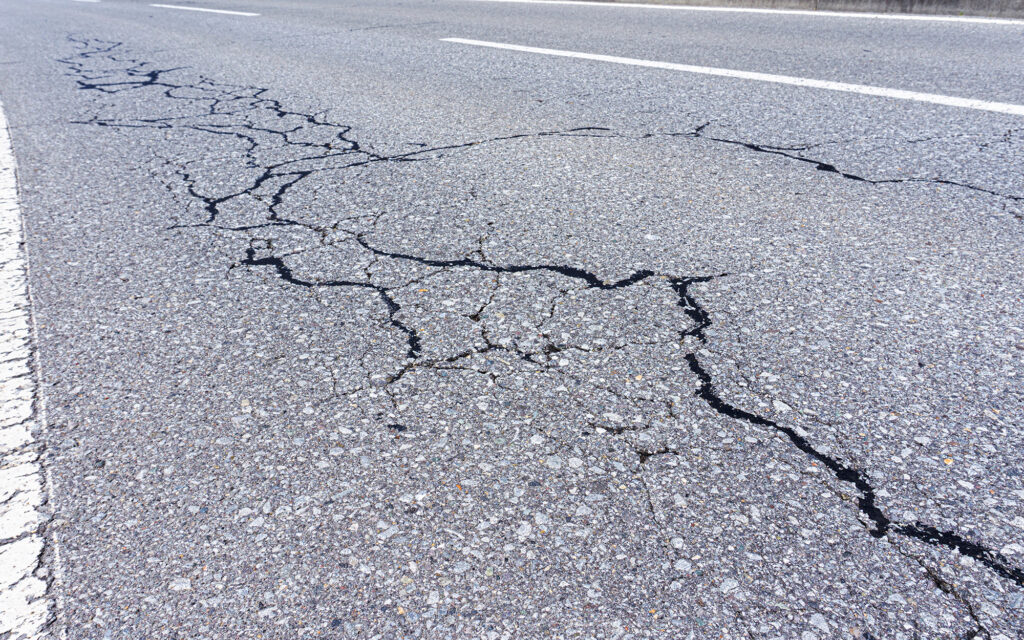
Fading color is the most obvious. Fresh asphalt is deep black. As it oxidizes, it fades to gray — that color shift is the surface telling you the protective oils are depleting. Surface cracking, especially hairline or spider-web patterns, means the asphalt is drying out and losing flexibility. Water pooling in low spots or along seams indicates the surface is no longer repelling moisture the way it should.
If you’re seeing any combination of those signs, sealcoating alone may not be enough. Existing cracks should be addressed with crack sealing before a sealcoat is applied — sealing over open cracks without filling them first traps water underneath and accelerates the damage you’re trying to prevent.
Not Sure Where Your Parking Lot Stands?
A worn-out parking lot doesn’t just look bad — it signals neglect to every tenant, customer, and visitor who pulls in. Ace Paving & Maintenance has served Metro Atlanta commercial properties since 1997. We’ll assess your lot, give you a straight answer on what it needs, and put together a maintenance plan built around your property and your budget.
What Affects Your Sealcoating Schedule
No two parking lots age at the same rate, and a blanket two-to-three-year rule doesn’t account for the variables that matter most. Traffic volume is the biggest factor — a 50-space lot serving a quiet office building wears very differently than a 200-space retail center with daily high-turnover traffic.
Sun exposure plays a larger role than most property managers expect. A lot with full southern exposure in Atlanta’s summer heat oxidizes faster than one shaded by buildings or trees. Drainage quality matters too — lots that hold water after rain are constantly fighting moisture infiltration, which breaks down asphalt from the inside out. Maintenance history is also relevant. A lot that has been consistently sealed and crack-filled on schedule will hold up better and longer than one that’s had several years of deferred maintenance, even if both lots are the same age.
How to Plan a Commercial Parking Lot Maintenance Schedule in Atlanta
The most effective approach is a proactive maintenance plan rather than a reactive one. Rather than waiting for visible damage to prompt a call, property managers who schedule regular assessments can catch issues early, plan around budget cycles, and avoid the disruption of emergency repairs.
In Atlanta, spring and fall are the best windows for sealcoating applications. Temperatures need to be consistently above 50 degrees Fahrenheit, and the forecast should be clear for at least 24 to 48 hours after application. The extreme heat of Atlanta summers can cause the sealant to dry too quickly, affecting adhesion, while cold winter temperatures can prevent it from curing properly.
When scheduling, plan for crack sealing and sealcoating to happen together. Addressing cracks first and then applying a sealcoat in the same service window is more efficient and ensures the full surface is protected uniformly. Striping is typically done after the sealcoat cures, making it a natural add-on to keep the lot looking sharp and compliant at the same time.
Frequently Asked Questions About Sealcoating Commercial Parking Lots
How long does sealcoating last on a commercial parking lot?
A properly applied sealcoat typically lasts two to three years on a commercial lot, though high-traffic properties may see wear closer to the one-to-two-year mark. Atlanta’s heat and UV exposure can shorten that window if the lot sees heavy daily use, which is why regular visual inspections are worth building into your property management routine.
Can you sealcoat over cracks in an asphalt parking lot?
Sealcoating is not a crack filler and should not be applied over open cracks. Cracks need to be cleaned and filled with a crack sealant first — then the sealcoat is applied over the repaired surface. Skipping that step traps moisture beneath the sealant, which accelerates deterioration and can cause the sealed area to fail faster than the surrounding pavement.
What is the best time of year to sealcoat a parking lot in Atlanta?
Spring and fall are the ideal windows in Atlanta. Temperatures should be above 50 degrees Fahrenheit and stable, with no rain expected for at least 24 to 48 hours after application. Midsummer applications are possible but require careful timing to avoid the peak heat of the day, which can interfere with proper curing.
Keep Your Parking Lot Protected Year After Year
Sealcoating is not a one-time fix — it’s part of an ongoing maintenance cycle that protects your pavement investment and keeps your property looking well-managed. For Atlanta commercial properties, that cycle typically runs every two to three years, adjusted based on traffic, sun exposure, and the condition of the surface. The cost of staying on schedule is a fraction of what deferred maintenance eventually demands.
Ace Paving & Maintenance has been working with Metro Atlanta commercial property owners and managers since 1997. If you’re not sure where your lot stands or when it was last sealed, a site assessment is the best place to start. Request a free on-site assessment and we’ll give you a straight answer on what your property needs.