

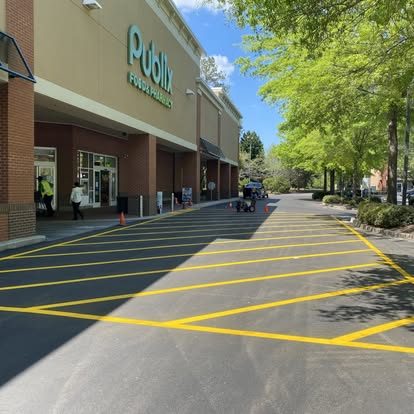
 In Atlanta, new commercial asphalt often looks flawless on day one, then starts to show wear faster than expected once summer heat, delivery traffic, and heavy rain cycles set in.
Long-term performance depends less on the installation day and more on what happens in the months and years after. We see this across office parks in Buckhead, retail centers near Perimeter Mall, and industrial sites along I-285.
Planning maintenance early protects your capital investment and keeps your property compliant, safe, and professional. That starts with a proactive strategy and clear triggers for professional service.
Key Takeaways
- Long-term asphalt performance in Atlanta depends on early planning after installation.
- Multi-year maintenance budgets reduce emergency repairs and capital surprises.
- Professional inspections should align with seasons, traffic changes, and visible distress.
- Preventive maintenance extends pavement life and protects commercial property value.
Establish a Baseline After the Cure Period
After new asphalt installation, the surface needs time to cure before any protective treatments begin. In Atlanta’s warm climate, curing typically takes 60 to 90 days, depending on traffic load and exposure. We document the pavement condition after this period to create a baseline that reflects real-world use at sites like warehouse corridors near Fulton Industrial Boulevard.
This baseline helps track aging, oxidation, and early surface wear.
It also gives facility managers a defensible starting point for maintenance planning. Avoid sealcoating too early, but inspect as soon as curing is complete.
Build a Multi-Year Maintenance Budget
Commercial asphalt performs best when maintenance costs are planned across multiple years instead of handled as emergencies. In the Atlanta market, a realistic budgeting window is five to seven years for surface treatments and localized asphalt repairs.
High-traffic properties near Hartsfield-Jackson Atlanta International Airport often need earlier intervention due to fuel drips and constant turning movements. We help owners forecast costs based on traffic volume, drainage conditions, and exposure to sun and shade.
This approach smooths expenses and avoids surprise capital requests. Treat asphalt like an asset with scheduled funding, not a reactive line item.
Schedule Preventive Treatments Early
Preventive maintenance costs far less than structural repairs in Georgia’s climate.
Sealcoating, crack sealing, and joint sealing slow oxidation caused by intense UV exposure and summer heat. On properties with large open parking lots in areas like Alpharetta or Cumberland, untreated asphalt can dry out quickly and lose flexibility. We typically recommend the first sealcoat within 12 to 18 months after installation, assuming proper curing.
This timing preserves surface oils and improves water resistance. Early prevention extends pavement life and delays major rehabilitation.
Plan for Drainage and Water Management
Water is one of the biggest threats to commercial asphalt in metro Atlanta. Heavy rainfall events can overwhelm poorly designed drainage and force water into pavement seams. We often see this at properties near creeks or low-lying areas in South Atlanta, where ponding accelerates base failure. A maintenance plan should include routine drain inspections and cleaning. Addressing drainage early protects both the surface and the subgrade.
The takeaway is that asphalt maintenance and stormwater management go hand in hand.
When to Schedule Professional Inspections and Ongoing Service for Commercial Asphalt
After the First Full Summer and Winter Cycle
Atlanta’s asphalt experiences extreme heat in summer and mild freeze-thaw cycles in winter. After the first full seasonal cycle, subtle issues often emerge. These can include early cracking, surface raveling, or joint separation, especially in shaded office complexes near Midtown.
A professional inspection at this stage confirms whether the pavement is aging as expected.
It also validates that the base and drainage are performing properly. One-year inspections catch issues while repairs remain minor.
When Traffic Patterns Change
Commercial properties evolve, and traffic patterns often change after leasing or expansion.
A retail center that adds delivery tenants or a logistics hub that increases truck volume along I-75 will stress asphalt differently. These changes can cause localized rutting or fatigue cracking.
We recommend inspections whenever traffic loads increase or circulation patterns shift. This allows for targeted reinforcement instead of full resurfacing.
Always align asphalt inspections with operational changes.
At the First Signs of Cracking or Surface Distress
Cracks are not just cosmetic on commercial asphalt.
In Atlanta’s rainy climate, they allow water infiltration that weakens the base. Early signs often appear near loading docks, dumpster pads, and curb returns. Scheduling professional service at the first visible cracking keeps repairs limited to sealing instead of patching.
This is especially important for properties governed by local safety and accessibility standards. Early response protects both pavement and liability exposure.
Before Major Capital or Leasing Decisions
Professional asphalt evaluations support smarter business decisions.
Before refinancing, selling, or signing long-term leases, many Atlanta commercial owners request pavement condition reports. These are common for office parks near Lenox Square and industrial sites near the Port of Savannah trucking corridors.
An inspection provides realistic remaining-life estimates and repair timelines.
This information helps avoid last-minute repairs that delay transactions. Asphalt condition affects asset value and planning.
Plan to Protect Your Commercial Asphalt Investment
Ignoring long-term maintenance leads to higher costs, downtime, and safety concerns for Atlanta commercial properties. Planning early reduces risk and extends pavement life.
At Ace Paving, we work with commercial owners and facility managers to build maintenance plans that match traffic, climate, and budget realities. Our team schedules inspections, preventive treatments, and long-term forecasts so you stay ahead of problems.
Contact us today to request a commercial maintenance plan or schedule a professional asphalt evaluation within the next 30 days.
Frequently Asked Questions
How soon should I plan maintenance after a new commercial asphalt installation in Atlanta?
Planning should begin immediately after installation, with the first formal inspection scheduled once the asphalt completes its 60- to 90-day cure period under Georgia climate conditions.
How often should commercial asphalt be inspected in high-traffic Atlanta locations?
Annual inspections are standard, but properties with heavy truck traffic or fuel exposure may need semi-annual reviews to stay ahead of fatigue and surface breakdown.
Does Atlanta weather shorten the lifespan of commercial asphalt?
Heat, UV exposure, and heavy rainfall can accelerate aging, which is why sealcoating, crack sealing, and drainage checks are essential parts of a local maintenance plan.
Can proactive maintenance reduce long-term repaving costs?
Yes, preventive treatments and early repairs significantly delay the need for full resurfacing or reconstruction, which are the most expensive asphalt services.