

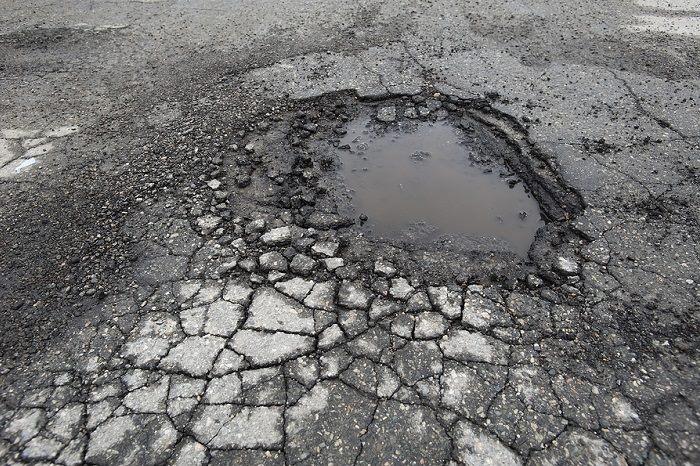
 If you manage a commercial lot or drive lane, you already know the real cost of pavement damage is the disruption that follows. In Atlanta, heat, heavy rain bursts, and constant turning traffic can turn a small soft spot into a tenant complaint or a safety issue fast.
This guide gives you a practical way to choose the right patch approach, set the scope, and schedule work so you restore smooth access without setting yourself up for repeat repairs.
Key Takeaways
- The best patches start with a quick diagnosis of whether the problem is surface wear or base failure.
- Patch selection should match traffic patterns, especially in turning zones and loading lanes.
- Drainage issues can shorten patch life fast, so fix the water path along with the hole.
- A good scope and a phased schedule protect tenant access and prevent project creep.
The Repair Ladder for High-Traffic Pavement
Around I-285 and the I-75/I-85 connectors, pavement takes a daily beating from delivery vans, rideshares, and heavy truck routes. The right repair starts with diagnosing why the surface failed, so the patch matches the load and the site’s drainage reality.
Confirm Whether the Failure Is Surface or Structural
In places like Perimeter Center office parks, what looks like a pothole is often a base problem showing through the top layer.
If the area feels soft underfoot, rebounds under a tire, or keeps cracking in the same pattern, the failure is usually deeper than the surface.
We start by mapping the distressed area and checking how far the damage spreads past the visible edges, because the cut line is where long-term performance is won or lost.
Match the Patch Type to Traffic and Access Risk
A light-duty patch that survives a small visitor stall may not survive a loading lane behind a retail strip in Buckhead, where trucks pivot and brake hard.
For localized issues with a stable base, a properly placed hot-mix patch can restore a smooth, safe surface with limited downtime.
When the base is compromised, full-depth “remove and replace” is typically the better investment because it rebuilds the structure that keeps the new asphalt from flexing and unraveling.
Design the Cut, Tack, and Compaction for a Seam That Stays Tight
In Midtown garages and mixed-use entries, the seam matters because turning tires love to pick at weak edges.
A clean, squared cut line, proper bonding between old and new material, and tight compaction are what keep water from sneaking under the patch during a summer storm.
Our crews focus on building a patch that finishes flush and transitions smoothly, because a patch that sits proud or dips low becomes a new impact point for wheels and plows.
Fix the Drainage Trigger Before You Patch Again
If water ponds near a catch basin or low spot, patching the hole without addressing the water path is usually a short-term win.
This shows up often in older shopping centers along corridors like Memorial Drive, where grades have settled over time, and runoff concentrates in the same places.
Even small corrections, like restoring positive flow or addressing a sunken area, can reduce repeat failures and help the repair last through the next round of heavy rains.
Plan the Next Step: Sealcoating, Striping, or Milling When Needed
Near high-visibility entrances in Sandy Springs or Decatur, a good patch should blend into a maintenance plan instead of becoming a permanent patchwork look.
If the surface is generally sound but drying out and cracking, sealing and crack work after repairs can help slow down oxidation and water intrusion.
If the top layer is widely worn, milling and resurfacing may be the cleaner path because it resets the driving surface across larger zones and reduces the number of seams that can reopen.
Scheduling, Access, and Approvals for a No-Drama Patch Day
In Atlanta’s retail and industrial properties, the best repair plan fails if it blocks deliveries, interrupts tenant peak hours, or leaves unclear boundaries for traffic control.
Getting the schedule and scope right upfront reduces surprises, protects uptime, and helps your team communicate confidently with occupants.
Stage Work Around Deliveries, Tenants, and Peak Hours
A distribution site near Camp Creek Parkway runs differently from a storefront near Piedmont Avenue, so the work plan has to match the site’s rhythm.
Identify your true “no-go” windows first, like morning deliveries, school pickup traffic, or weekend event surges, then build the phasing around those constraints.
When we plan patching with you, we focus on keeping at least one reliable route open for emergency access and essential deliveries.
Set a Clear Scope and Measurable Finish Standards
Patching can creep if “pothole repair” is the only description, especially on lots with scattered failures near dumpster pads and service drives.
Define the repair boundaries by area, depth, and method so you can compare quotes and avoid change orders that come from vague assumptions.
It also helps to agree on finish expectations, like smooth transitions, tight edges, and how depressions or rutting will be handled if they extend beyond the initial cut.
Know What to Document for Ownership and Risk Teams
For multi-tenant properties along GA-400 or near major interchanges, documentation matters almost as much as the asphalt.
Capture before-and-after photos, repair locations, and any notes about drainage or base conditions so future budgets reflect what the pavement is telling you.
Keeping a simple repair history also helps explain why certain areas moved from patching to resurfacing, which makes capital planning conversations easier.
Talk With Ace Paving About a Targeted Repair Plan
If you’re dealing with recurring potholes, soft spots, or failing seams in high-turn areas, our team at Ace Paving can help you pinpoint whether the issue is surface wear, base failure, or drainage pressure before you spend money in the wrong place.
Across Metro Atlanta sites near GA-400, I-285, and busy retail corridors like Perimeter Center, we build a clear scope that matches your traffic patterns and keeps access predictable for tenants and deliveries.
For a straightforward plan for asphalt patching and any related needs like milling, resurfacing, sealcoating, striping and ADA markings, concrete flatwork, or drainage fixes, reach out to us.
Frequently Asked Questions
How long does asphalt patching last in a commercial parking lot?
Lifespan depends on traffic load, drainage, and whether the failure was structural or surface-level. A well-built hot-mix repair on a stable base can last for years, while a patch placed over a soft base often breaks down sooner. Keeping water out and addressing repeated turning stress are two of the biggest factors.
Is a cold patch okay for a business property?
A cold patch can be useful as a short-term safety fix when you need immediate hazard reduction, or weather limits your options. It typically does not perform like a properly compacted hot-mix repair in high-traffic zones. Many properties use it as a stopgap and then schedule a permanent repair when conditions are right.
When should a property manager choose full-depth patching instead of a surface patch?
Full-depth work is usually the better call when the area is pumping, soft, or repeatedly cracking in the same spot. It also makes sense in truck lanes, dumpster approaches, and places where braking and turning concentrate stress. Rebuilding the failed section reduces the chance of paying to patch the same location again.
What is the least disruptive way to patch a busy lot?
Phasing is the key: break repairs into zones that keep primary entrances, fire lanes, and essential delivery routes available. Scheduling around tenant peak hours and clearly marking closures reduces confusion and complaints. Clear scope and traffic control planning matter as much as the repair itself for a smooth patch day.